
Wet years like this (46 inches of rain so far!) are AWESOME YEARS for my prairies! I had so many amazing blooms, I scrolled through my camera roll to feature some here on the blog. Wet years make it harder, in many aspects, for weed management, but each project has its own weed management plan and we were able to figure it out case by case!
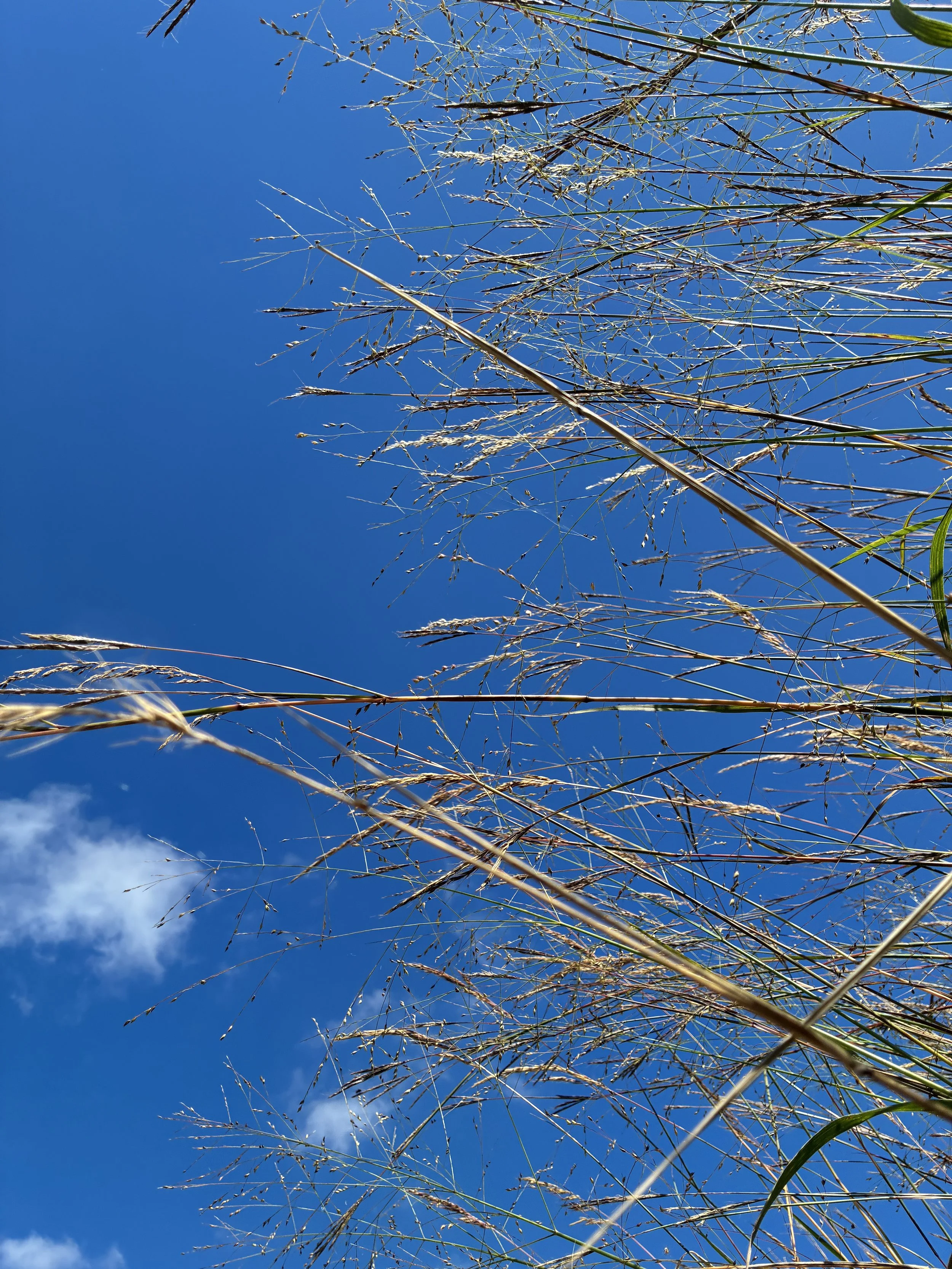
Here is a mix of switchgrass, rye, big bluestem, and indiangrass towering overhead. This picture really embodies the goal of any prairie mix—if we “snapshot” the prairie we ideally want to see at least three grasses in each snapshot rather than a total takeover (switchgrass, I’m talking to you!). There are as many ways to restore prairies as there is prairies out there, but in general, pictures like this are the prairie reconstruction goal!
This prairie is six years old, so these grasses are STRONG! And to top it off this was one of those perfect 70 degree days we had in October. Doesn’t get better than that!
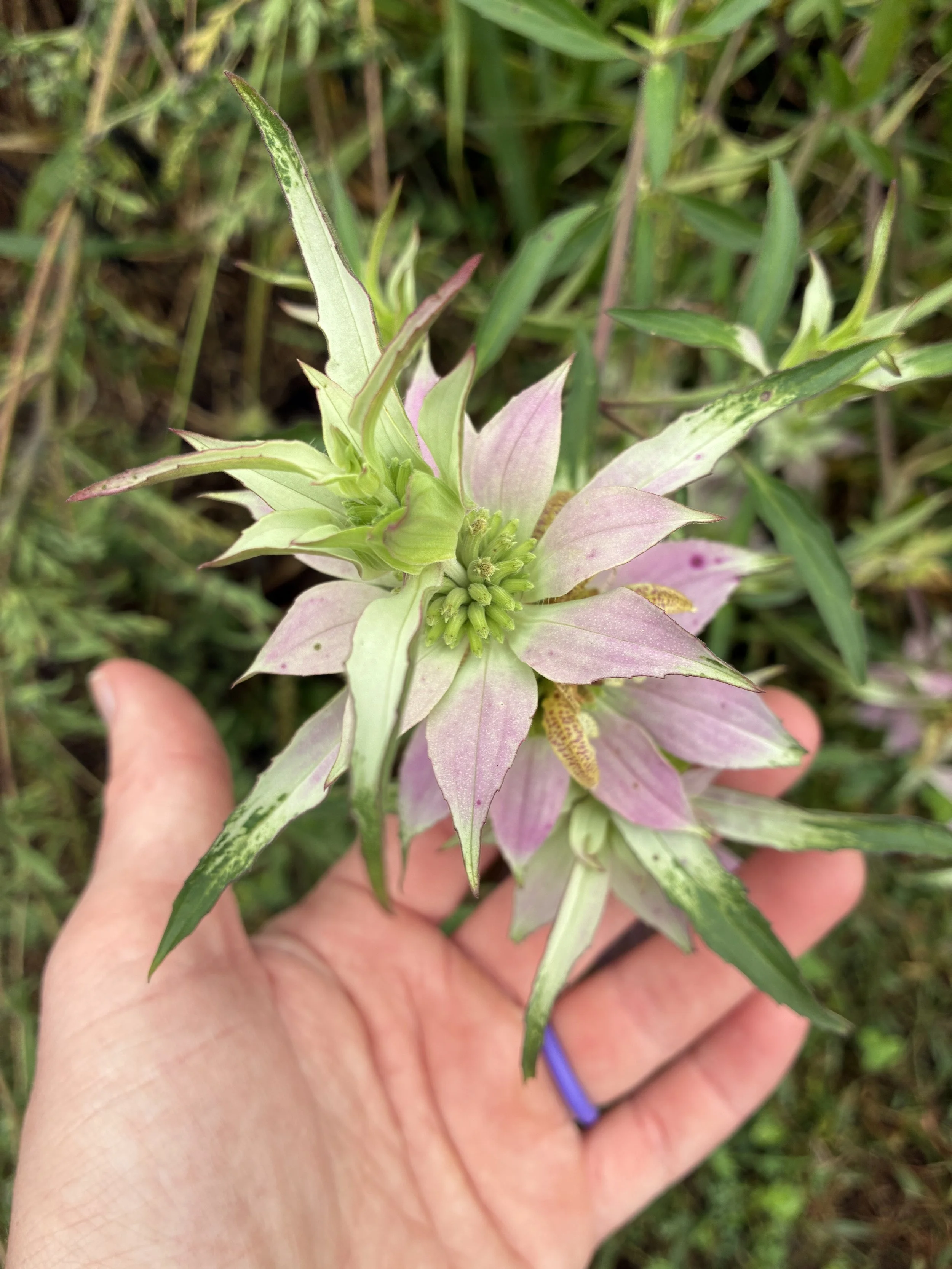
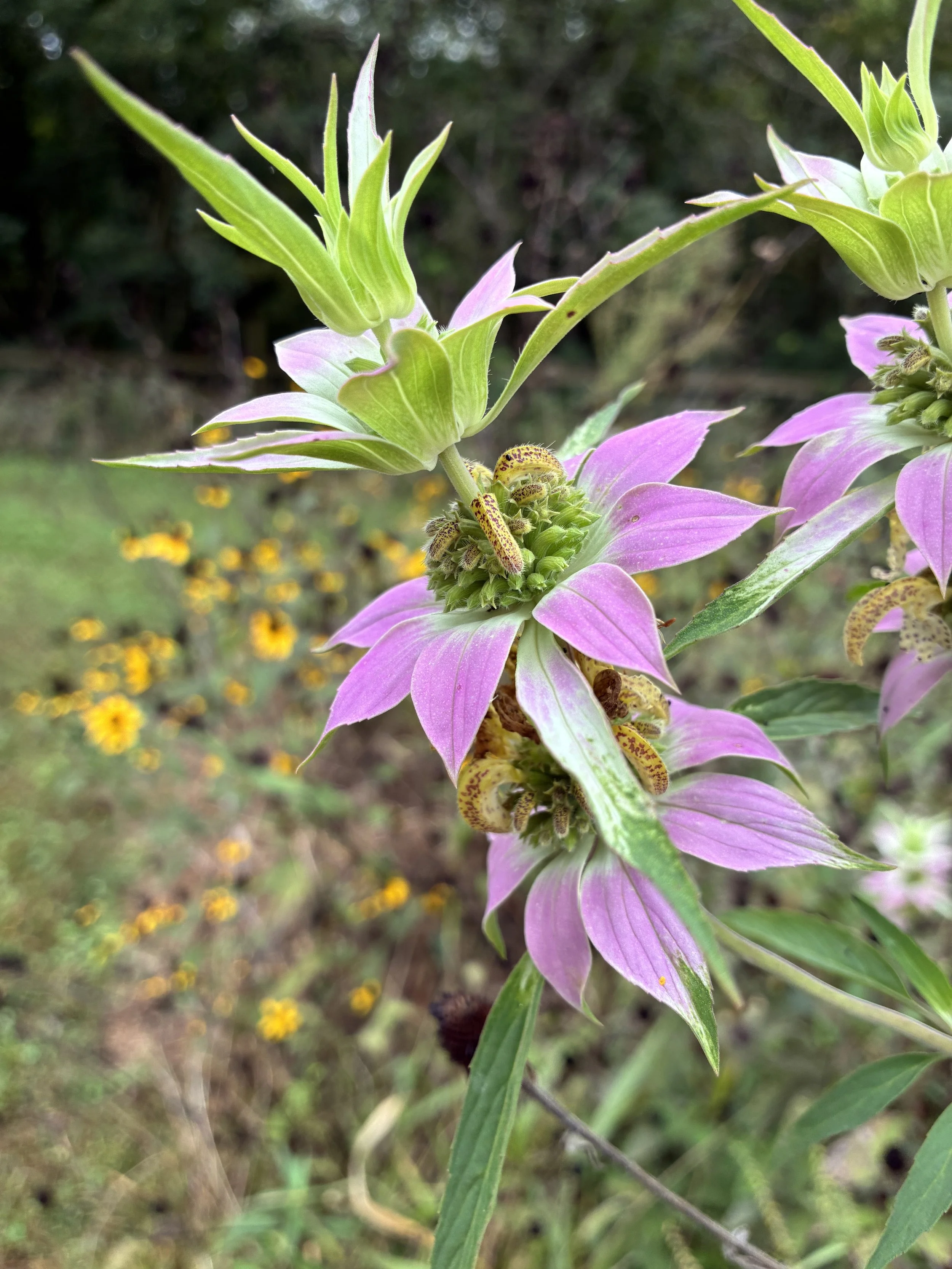
I had such amazing spotted horsemint blooms this year!
This plant ALWAYS stops me in my tracks and is one of the reasons I’m one of those people with 50,000 pictures on my phone (I know, I know, at this point I’m too far gone and can’t go back), I contributed several hundred this year to all the spotted horsemint blooms. The leaves, the shapes, the colors! Its perfect!
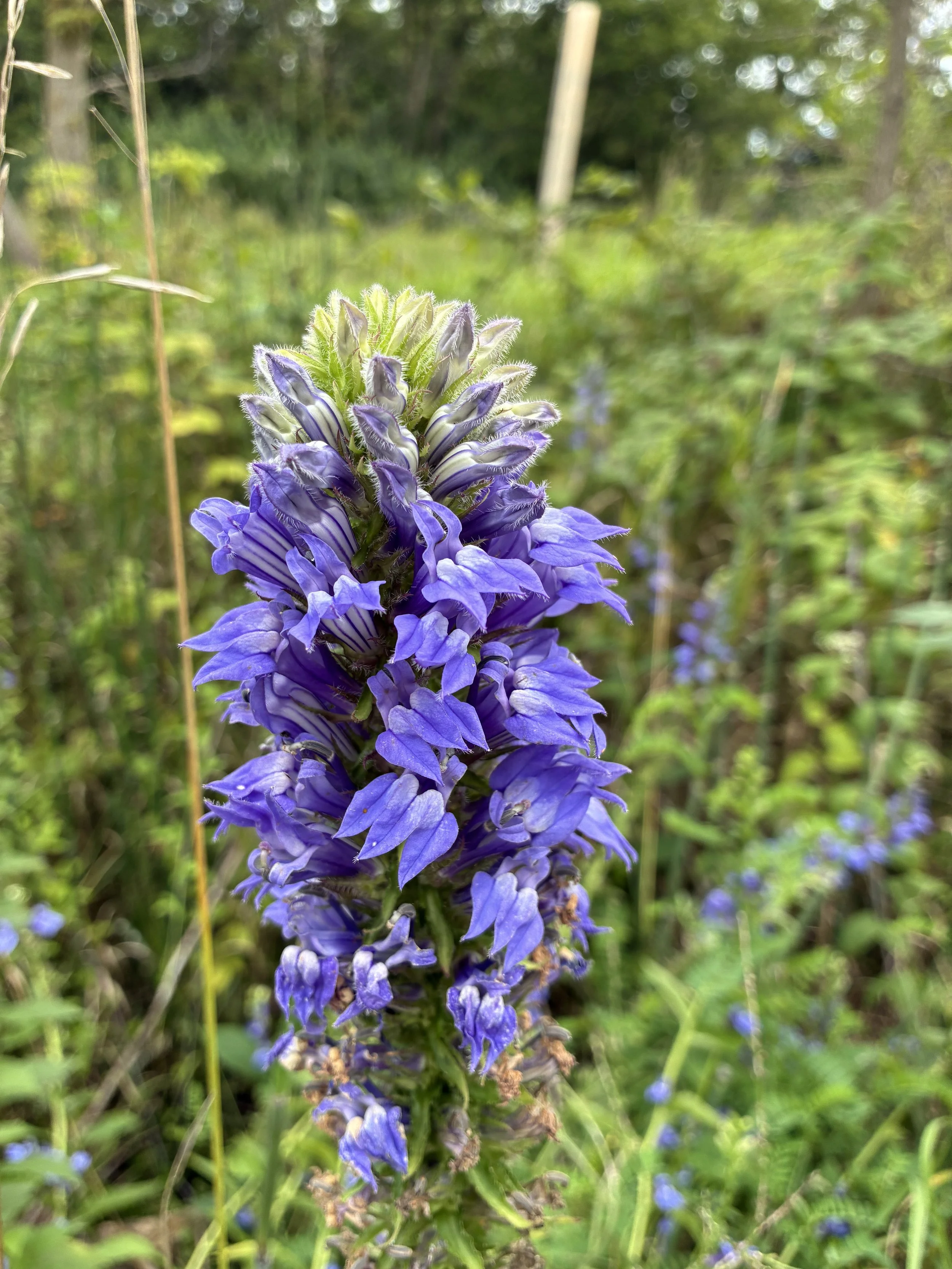
Another highlight of my Ames projects was Lobelia this year. I’ve never seen Great Blue Lobelia grow so prolifically! ALL of my sites I had planted it on showed up, even my younger projects (1-2 years old) had Lobelia.
While there is absolutely a huge component of restoration that relies on the textbook knowledge of plants and where they like to grow, there also is a component of learning by experience how different plants are trending given the rainfall, sun, heat, soil balance or degradation, etc etc.
I keep a big ol’ notebook in my car and make notes on things like this during the growing season so that in the winter I enter it all into a excel sheet about each plant.
I always repeat the silly phrase “I’m not God,” when I’m consulting/designing a project. Its obvious and its just so true — I can’t always predict how things will go, but, after so many years of detailed notes and trial & error, I’ve been able to hone in on getting beautiful results on my projects and get homeowners/private landowners “prairie” looking results sooner without having to do the classic two years of mowing weeds thing. Thanks Lobelia for keeping customers and pollinators happy this year!
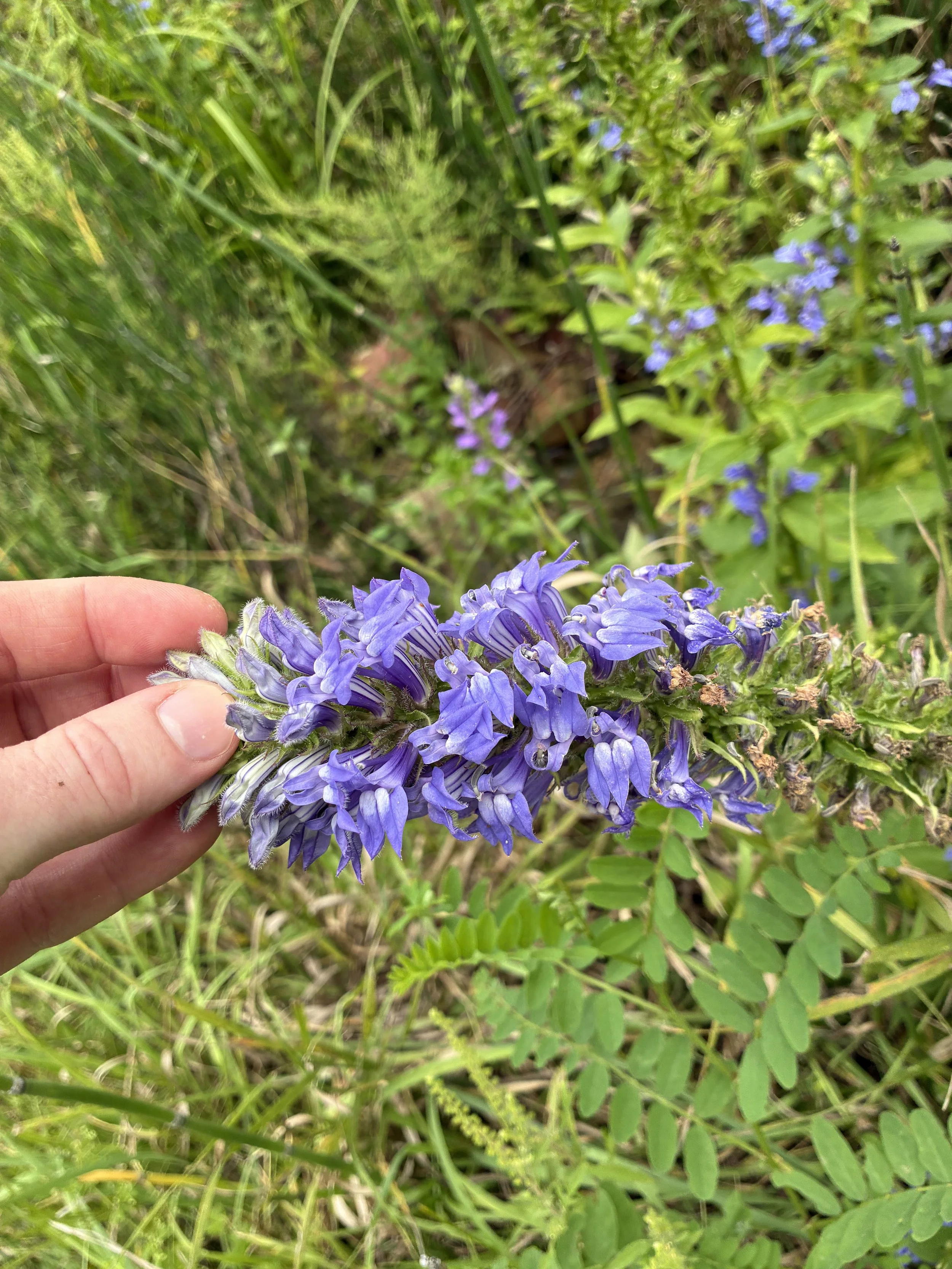
Great Blue Lobelia
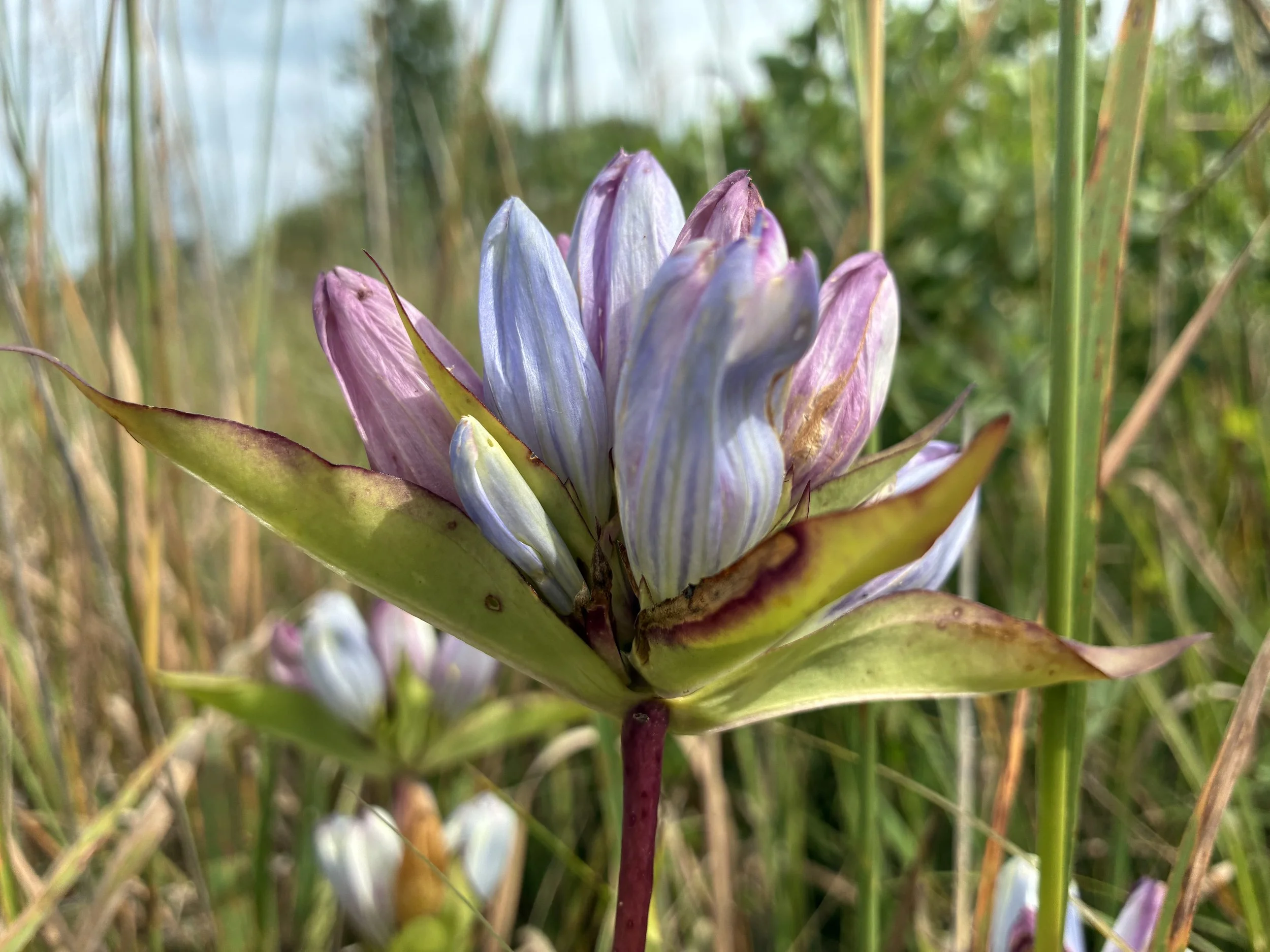
Gentians were another show stopper in Ames this year, and I’m currently doing rounds to make sure a third of the seed gets collected and put down for next year! Gentians have been doing well the past few years on my projects, this year was no different other than the blooms stuck around a bit longer (which is a total gift!)
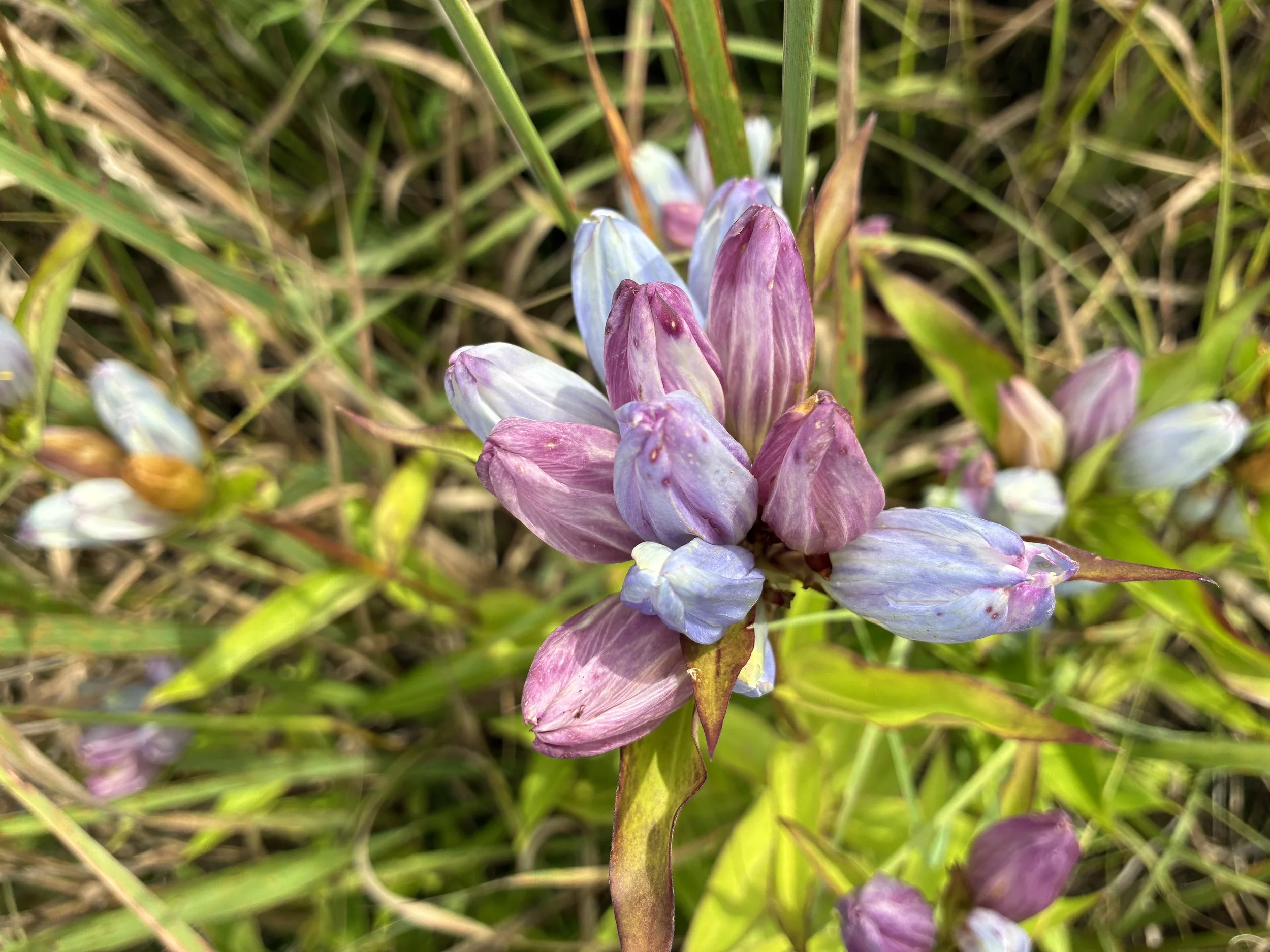
Closed Gentians
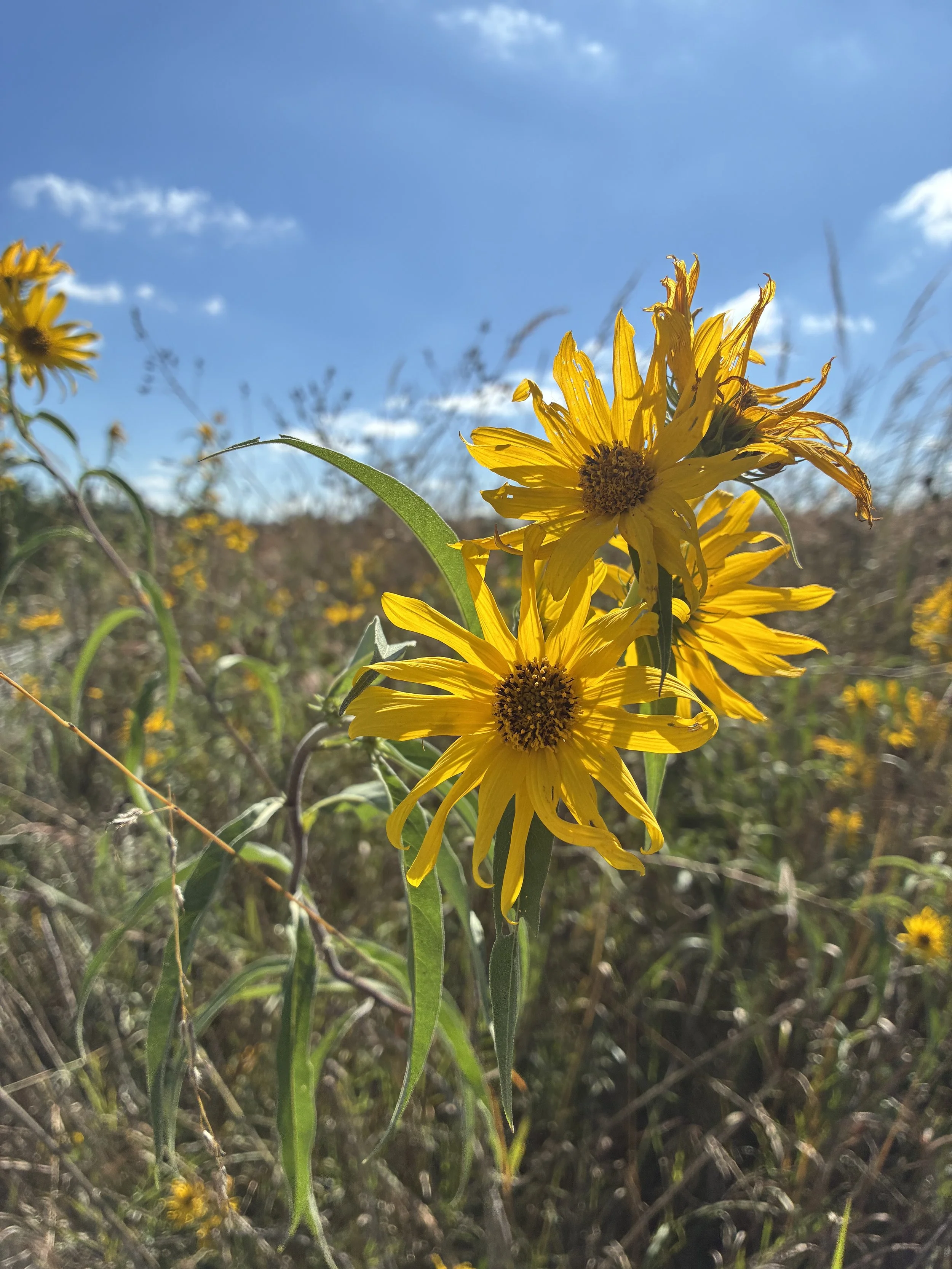
I have two different types of questions regarding yellow blooms each year.
Where did all the yellow color go?
or
Why is my prairie so yellow?
And I got both of those questions in Ames this year. Even though rainfall totals were the same, it just goes to show how dynamic the prairie ecosystem is.
Often the younger projects lean really yellow and it balances out as the grasses establish and other colored plants gain their footing. Some years are better for yellows than others, but thats the joy of it—no two years are ever the same on the prairie, which makes my job even more fun :)
I’ll be finishing out my projects for the year in December with a light maintenance overseed of native plant seed that needs to stratify through the winter, and then let the prairie (and myself) rest. Interested to see what the El Nino does this winter, and how that effects my projects in the spring!
